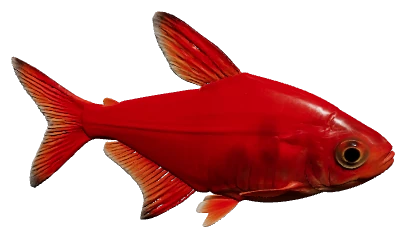
Ember Tetra
2 cm8+
Use this aquarium stocking calculator to estimate freshwater animal load and check fish, shrimp and snail combinations. Review group size and species needs, then plan the whole scape.
How this estimate worksUse label dimensions for an estimate. For a closer measurement, use inside dimensions and your water height.
Even depth uses the same value at the front and back. Fractions such as 2 1/4 work too.
Browse by picture and category, or search a name.
Each card: adult length (cm) · minimum group
2 cm8+
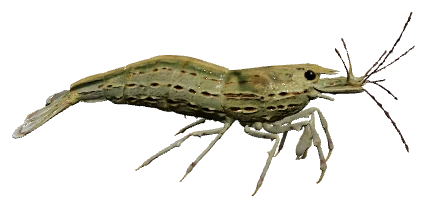
5 cm3+
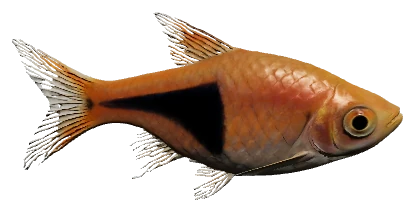
4.5 cm6+
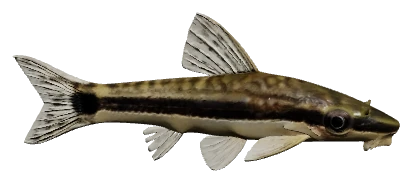
4 cm6+
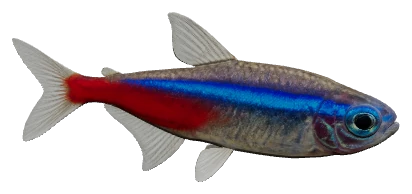
3.5 cm6+
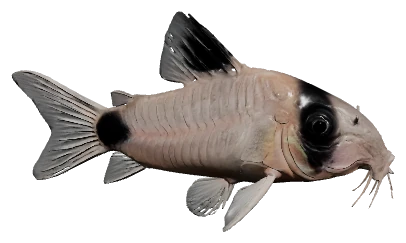
5 cm6+
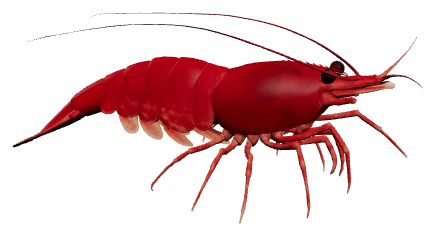
4 cm6+
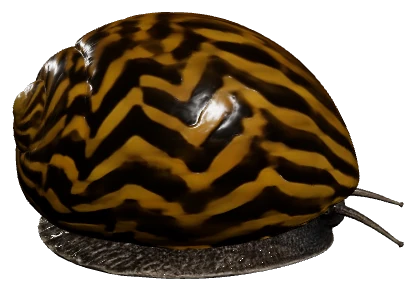
2.5 cm1+
No animals added. Choose a card above to add one at a time.
Choose a standard tank or enter length, width and height.
Compare your selection with the water available.
Review group size, temperature and known conflicts.
This freshwater planning tool estimates animal load using adult size, count and species category. It also checks the library’s minimum tank size, minimum group size, temperature overlap and recorded compatibility. A low load percentage can still accompany a species conflict.
Each animal contributes (adult length in cm ÷ 5)1.5 × its load factor. The guideline allows one such small-fish equivalent per 5 liters of estimated water. Water is calculated after your substrate and an 8% allowance for hardscape and the space below the rim. Change either depth to see the load estimate change with the water amount.
Fish use a factor of 1, small shrimp 0.1, snails 0.3, and other invertebrates or amphibians 1 unless a library entry has a specific override. These factors and the boundaries are Scapesome’s heuristics. They are not measured waste output or a universal fishkeeping standard.
Up to 100% is within this load guideline, above 100% is a fuller selection, and above 150% is above the guideline. These bands help compare changes in the same setup. They do not predict ammonia levels, account for your filter’s capacity, or certify that a tank is safe.
The model can overestimate long, slender animals and miss behavior, oxygen demand and individual variation. Review the livestock species profiles for evidence and husbandry requirements. Keep a cycled filter and monitor water rather than treating the calculator as permission to add more fish.
Minimum tank checks use a preset’s nominal capacity where available; custom tanks use their rectangular volume. Group size is checked separately against the species entry. Meeting a volume minimum does not establish enough swimming length or floor space for every animal.
The shared range is the overlap of the selected species’ library ranges, not a reading from your tank. Known conflicts are checked in both directions. Predation warnings distinguish recorded risks to adult shrimp and small fish from risks to baby shrimp. An unrecorded pairing remains uncertain.
Adult size, body shape and behavior differ too much for a single length rule. This estimate increases load faster as adult length grows, but still has limits. Minimum tank dimensions, school size, oxygen and territory can matter even when estimated load is low.
No. Read the separate species checks. A school that is too small, incompatible temperature ranges, aggression or shrimp predation can make a selection unsuitable regardless of load. Missing warnings also do not prove that a pairing is compatible.
Yes, available species can be added with their counts. Small shrimp have a lower estimated load factor than fish. Predation on baby shrimp is displayed separately where the library records it; that warning does not estimate survival rates.
It does not know your filtration, ammonia, nitrite, dissolved oxygen, actual temperature or whether the tank has cycled. Those require measurement and husbandry checks. Start with a conservative selection and increase it gradually only when the tank’s conditions support it.
The calculator answers a specific sizing question. In the planner, keep your own choices and place plants, rocks and wood by hand. Review light, CO₂, water conditions and substrate material before requesting an optional analysis.
Read how Scapesome checks a tank · Choose another aquarium calculator