Tissue culture vs potted aquarium plants: which should you buy?
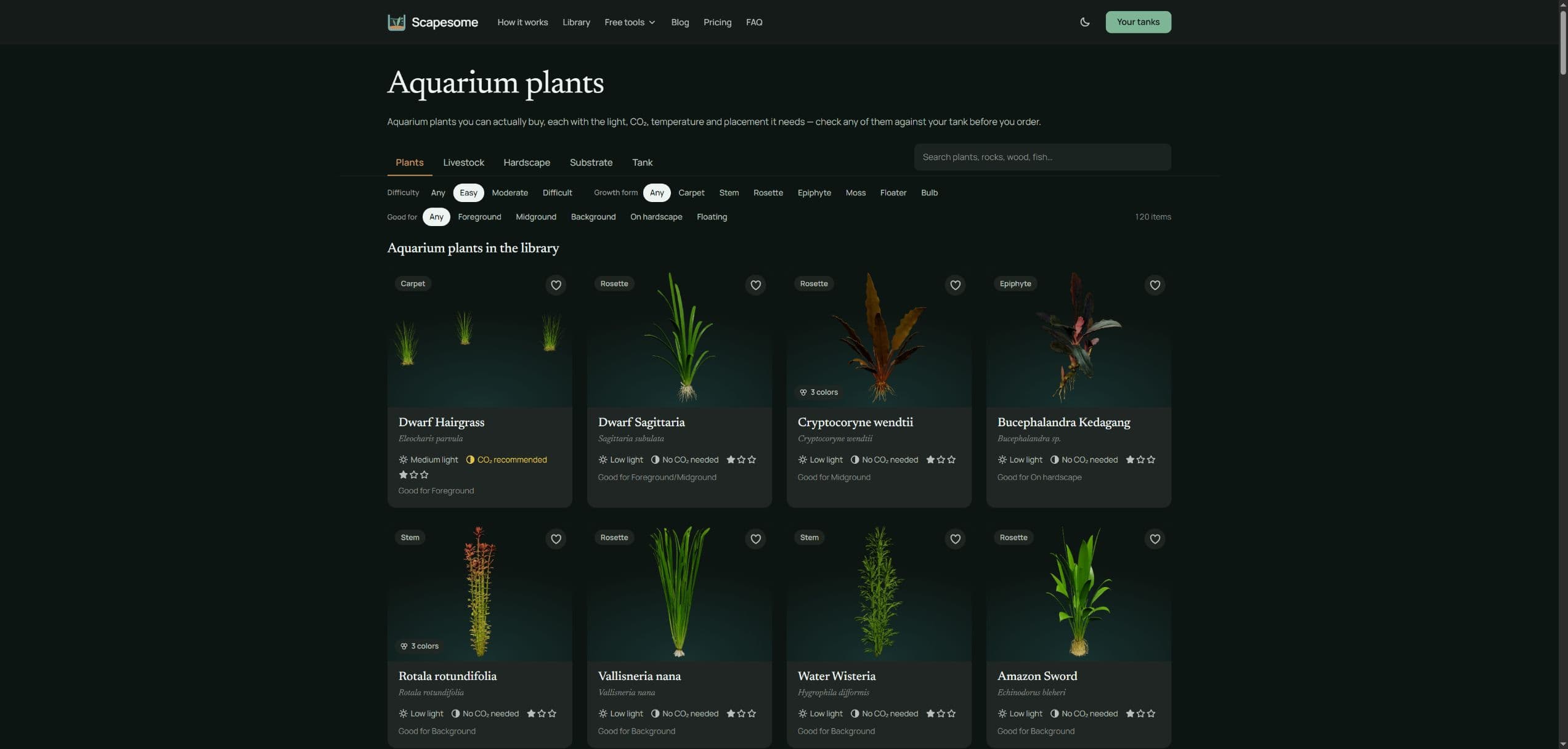
Scapesome’s plant library, used to compare species before choosing a package. The illustrations do not show retail cups or pots.
The plant name matters more than the container. An unsuitable species does not become an easy choice because it comes in a clean cup, and a familiar potted plant does not necessarily arrive ready to plant in one piece.
Choose the species for your light, CO₂ and available space first. Then compare the actual material inside each package: its size, condition, usable divisions and preparation. That is where tissue culture and pots differ in ways you will notice on planting day.
Compare the same plant before comparing the price
A small cup of one species and a large pot of another tell you very little about value. Even matching common names can hide different cultivars. Check the scientific name and the seller’s exact product description.
The plant library can help you check placement and growing requirements. Its plant illustrations describe the species; they do not show what a particular retailer will pack into a cup or pot.
For a useful comparison, ask the shop what you can separate and plant from the package it is selling now. A pot may contain several rooted plants, a group of stems or one substantial plant. A cup may contain many small plantlets. Neither container is a standardized unit of planted coverage.
What tissue culture gives you
Tissue culture plants start in laboratory culture and are generally sold as small plantlets in a sealed container with a growing medium. Some producers specify that their unopened products are free of snails, algae and pesticides. Check that assurance on the actual product rather than extending one brand’s claim to every cup on a shelf.
An intact, appropriately stored cup offers a controlled starting point when avoiding hitchhikers is a priority. Once it is opened and handled, that starting condition does not make the rest of your aquarium pest-free.
Small plantlets also change the work involved. Removing the medium, separating usable portions and keeping them moist takes time. A cup can be attractive for a planned planting session, yet frustrating if you expected several large, established plants ready to drop into place.
What a potted plant gives you
A healthy pot often provides more substantial roots or an immediately visible clump. That can make it easier to judge the material in your hand. It still needs unpacking: remove the plastic pot and carefully work growing wool out from around the roots as the product instructions require.
Do not pull a tangled root mass apart just to achieve an advertised number of portions. The useful division depends on the plant’s structure. Separate stems, independently rooted rosettes and a connected rhizome are different things.
The leaves you buy may also differ from later submerged growth. Check how the seller grew the plant. Packaging alone does not tell you whether it has already adapted to underwater conditions.
Your priority | What to inspect before buying |
|---|---|
A controlled starting point with fewer introduced hitchhikers | The producer’s tissue culture assurance, seal and storage condition |
A larger plant visible from the start | The actual potted specimen, its roots and healthy growing points |
Several small planting positions | Usable divisions per package, rather than cup or pot count |
A short planting session | Preparation time, plantlet size and how securely you can handle the portions |
Turn the package into a planting plan
Suppose your plan has six separate positions for a small foreground plant. If the seller confirms three suitable divisions per package, two packages cover that plan. If the material in stock provides only two, you need three. Those are purchasing assumptions, not guaranteed yields or recommended spacing.
For stems, work from the planting positions and use the stem spacing guide to think through the room each group needs. For a specimen plant, one healthy growing point in the right place can matter more than a high portion count.
Tissue culture is worth choosing when its small divisions and controlled production suit the job. A pot is worth choosing when its actual size and condition better suit yours. Before ordering, write down the plant identity, planting positions, expected divisions and preparation needed. That gives you a comparison you can use, rather than a contest between two kinds of packaging.
Related reading
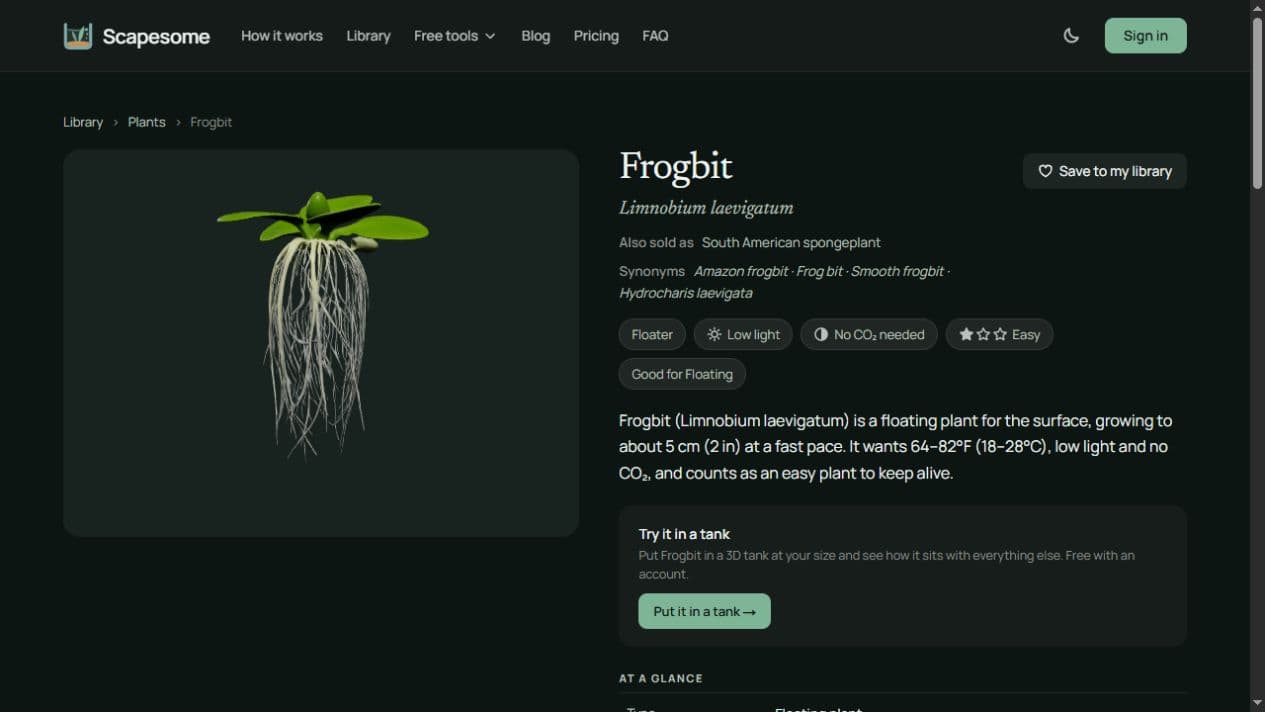
Floating aquarium plants: how much surface should you cover?
Decide where shade belongs and keep the required surface areas open before adding a patch of floating plants.
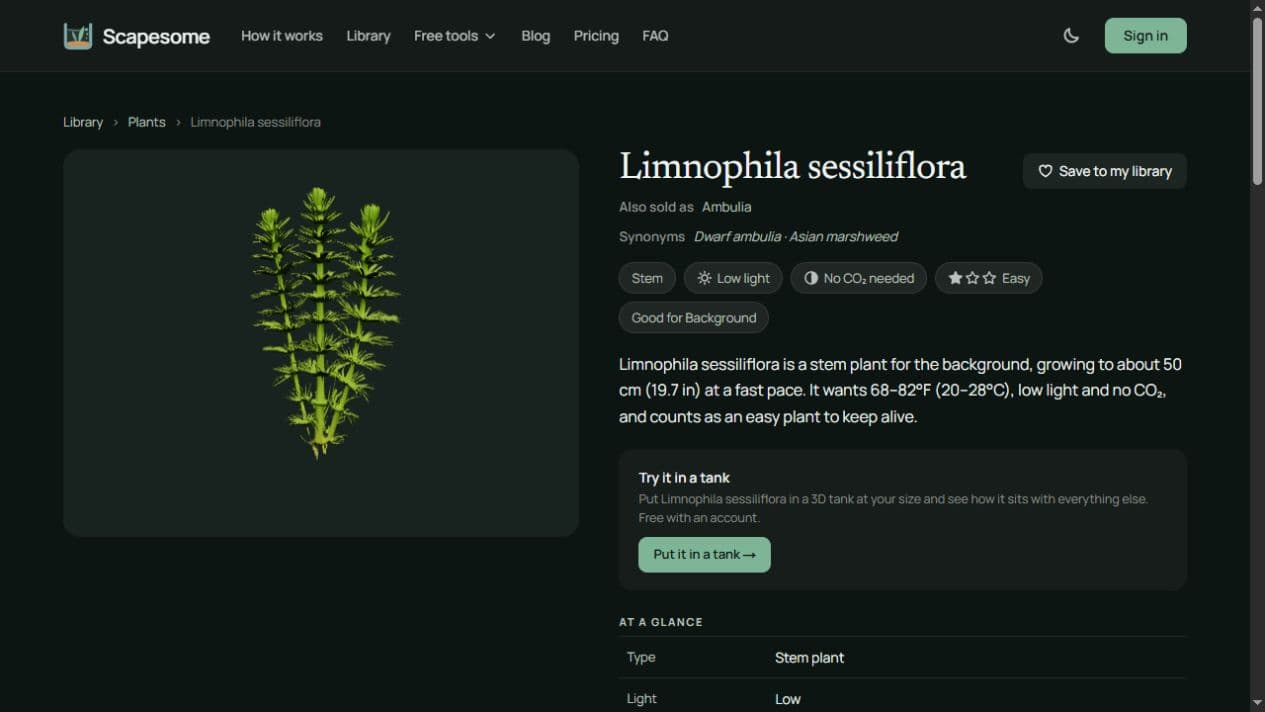
Which background aquarium plants will fit your tank?
Measure the space above the rear bed, compare plant forms and leave room for the trimming your chosen background will need.
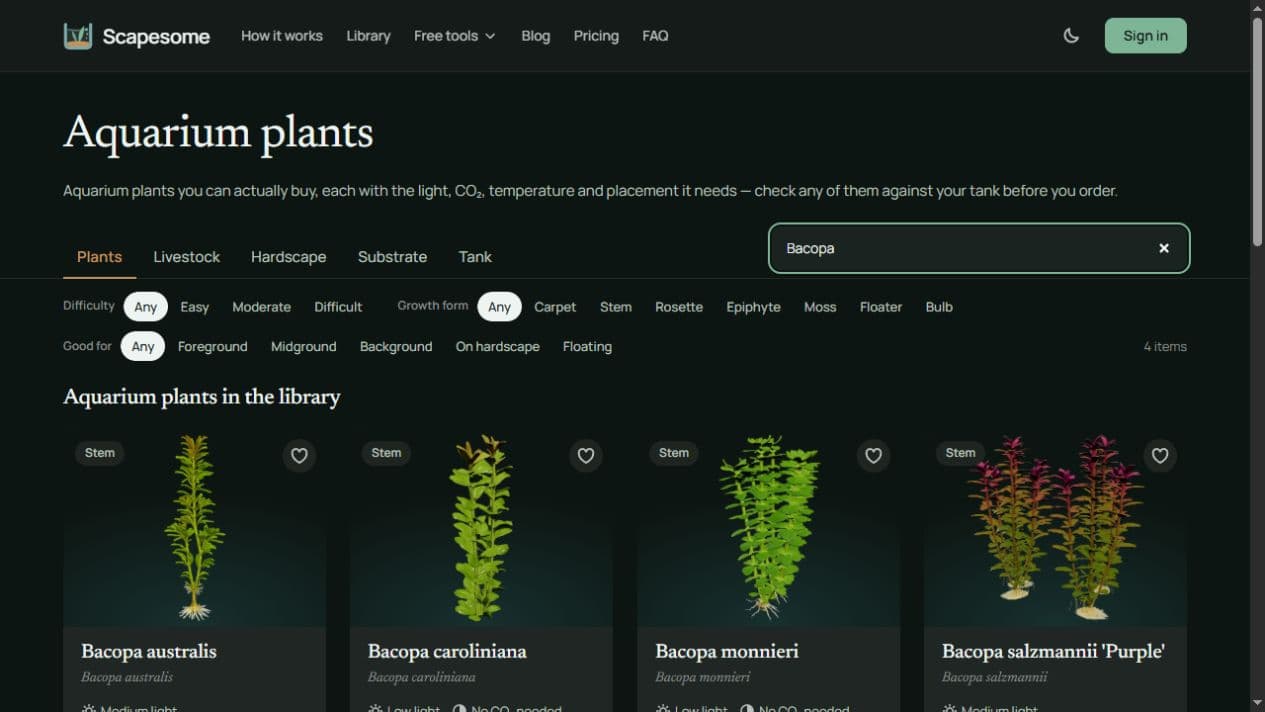
How far apart should you plant aquarium stems?
Work out a starting gap for your particular stems and estimate planting points before converting them into pots to buy.