How to sink driftwood before planting your aquarium
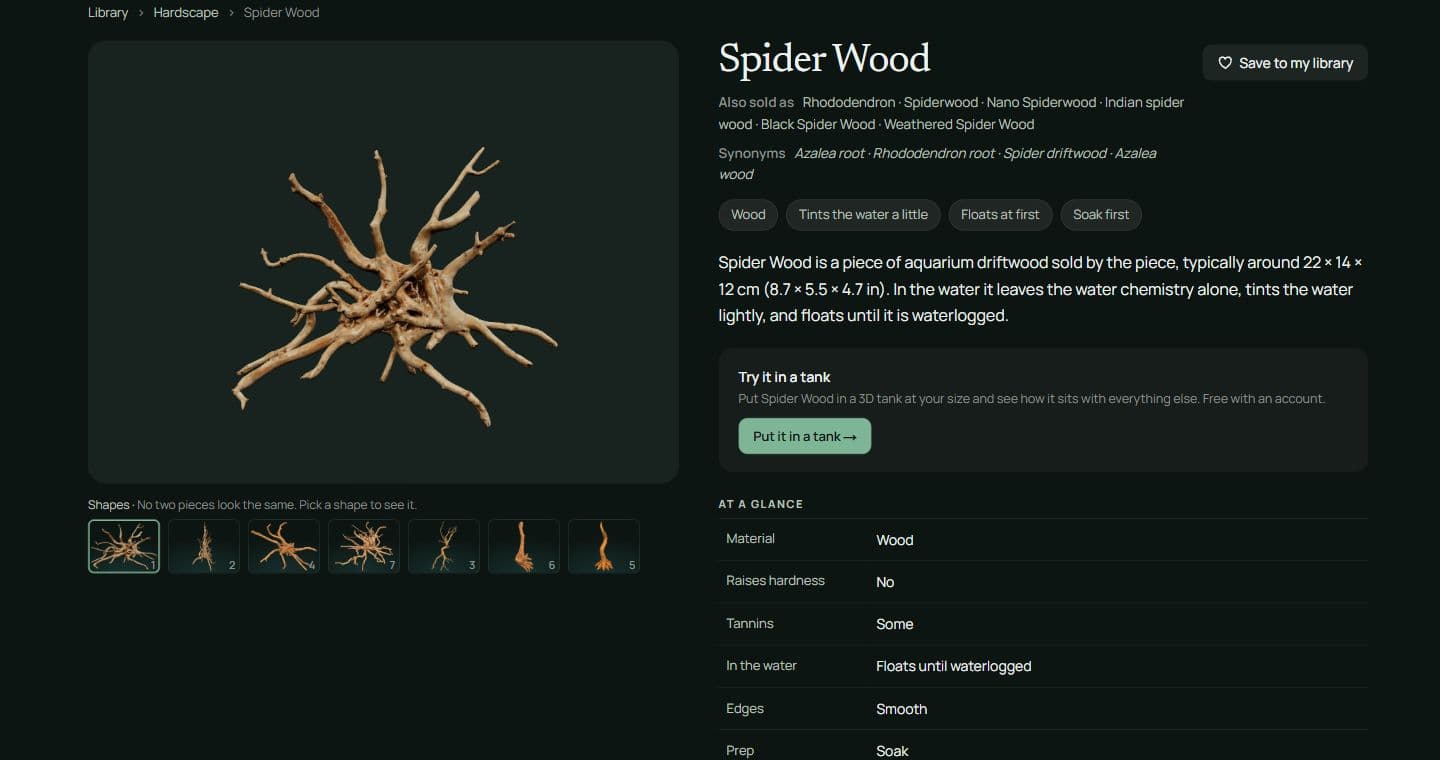
The Spider Wood entry in Scapesome. Its existing shapes help with planning, but a digital model does not test whether your own piece will float.
The branch looks settled while the tank is empty. Add water and its base starts to rise, taking the planting plan with it. This is a problem worth discovering in a container before there are roots, soil and carefully placed stones to disturb.
To sink driftwood, first check the individual piece in water. Give it time to become waterlogged, or use a suitable, stable anchor if it needs restraint. There is no dependable countdown that works for every size and type of aquarium wood.
Find out what the piece actually does
Start with driftwood sold for aquarium use and follow its preparation instructions. This guide does not identify found timber or establish whether an unknown piece is suitable for a tank. Knowing that something sinks is not enough to settle that question.
In a clean container large enough for the piece, submerge it and observe its movement when you stop holding it. Does the whole piece rise? Does one end lift while the base remains down? Does it stay submerged but roll into a different position?
Those are different fitting problems. The first needs waterlogging or restraint. The second can change the angle of a branch you thought was fixed. The third needs a more stable base even though floating is no longer the issue. Make the check in the orientation you intend to use.
Soak first if you can leave time
Soaking allows driftwood to take up water. Keep the piece submerged in a suitable container and follow the supplier's cleaning and water-change instructions. Check the whole piece again without the temporary weight before calling it ready.
Size and density affect how driftwood behaves, and sellers sometimes supply pieces that have already been soaked. A date on the calendar tells you how long you waited; it does not tell you whether this branch will stay down. If you are planning a weekend setup, test the material well before that weekend.
Some suppliers recommend boiling suitable pieces as part of preparation. Follow the instructions for the actual material rather than turning a general suggestion into a universal timed recipe. A large branch that does not fit your equipment is a reason to allow soaking time or choose another piece of driftwood, rather than improvise a heating method.
If you need an anchor, plan the whole base
A suitable aquarium rock or purpose-made base can provide restraint while driftwood becomes waterlogged. The useful test is the assembled arrangement underwater, without your hand holding it in place. The anchor, attachment and contact points all have to work together.
Before attaching anything permanently, consider what will remain visible. A stone chosen only because it is heavy enough may occupy the sand area you wanted to leave open. Putting the anchor behind the branch may leave less room for background plants. It belongs in the layout from the start, not on top of the finished planting as an emergency addition.
Use attachments and materials suitable for the aquarium, following their instructions. Do not transfer an unverified fixing method from a photograph and assume it will hold your driftwood. If the assembly pulls upward, twists, or depends on a precarious pile of stones, revise it before it goes into a planted tank.
Clear water and sinking are separate checks
Driftwood can release tannins that color the water even after it stays down. Soaking before setup can remove some of that initial color, but transparent soaking water is not a reliable buoyancy test. Equally, a piece that sinks immediately may still tint the aquarium.
Decide whether that appearance suits the tank you are planning. If you want clear water from the start, ask the supplier about the particular wood and its preparation needs. If you welcome an amber tint, still check the water conditions needed by your livestock. Color by itself does not establish compatibility.
The Spider Wood entry and Malaysian Driftwood entry give you two materials to investigate. Their shape models are useful for space and orientation. Preparation labels describe material tendencies, so confirm what your own piece does instead of treating a digital asset as a float test.
Fill and check before planting around the base
Once the driftwood has been prepared, check it at the water level you intend to use, with its planned supports. Keep plants out of the way while you confirm that the piece stays in position. It is much easier to change a base before the surrounding plants are established.
Look for clearance around the glass as well as the view from the front. A branch that turns slightly underwater can close a narrow gap. Leave access to inspect the fixing rather than burying every connection where you cannot see what has shifted.
Use the aquarium layout guide for the arrangement, then perform this wet check with the real materials. Scapesome can help you plan where the wood, supporting rock and plants will sit. The container test is what tells you whether that particular piece stays down.
Related reading
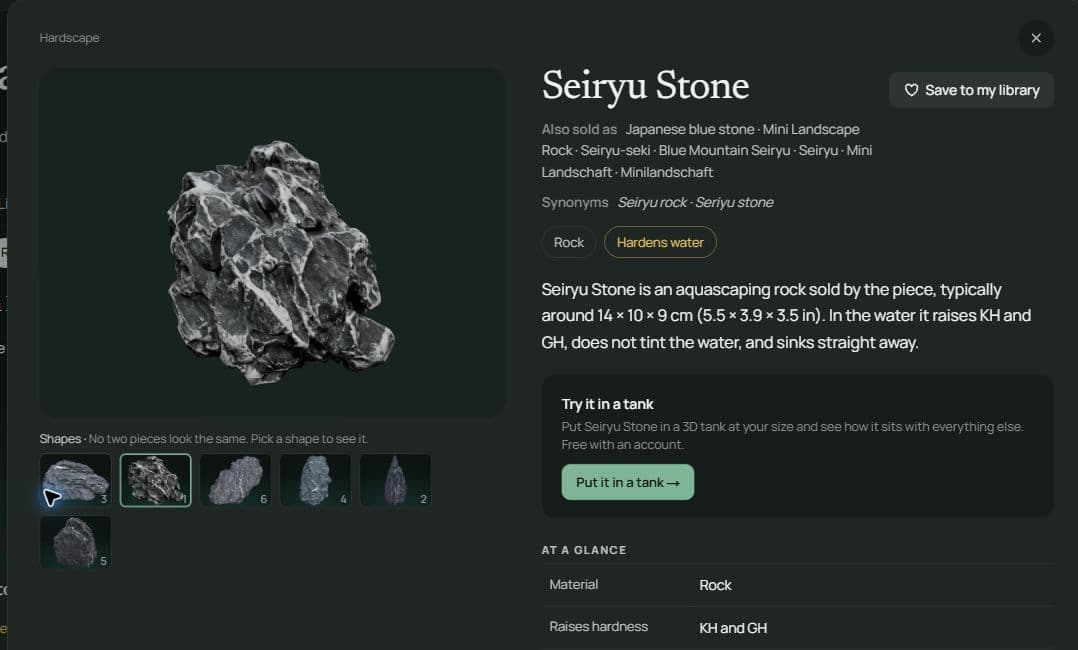
Seiryu stone vs dragon stone: which should you buy?
Choose rocks for your water conditions and the shapes your tank needs. Compare Seiryu and dragon stone before ordering the hardscape.
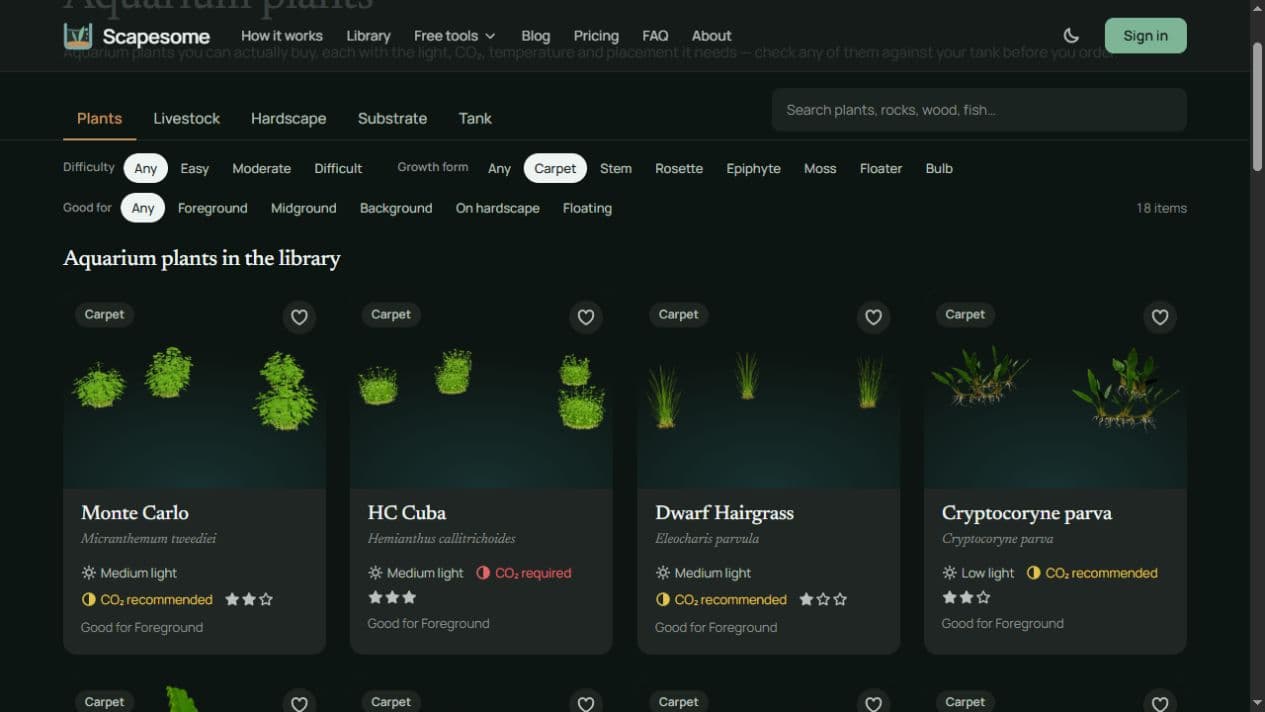
Carpet plants without CO2: which ones suit your tank?
Choose a foreground for a tank without CO2 injection: compare leaf shape, light, height and waiting time before you buy plants.
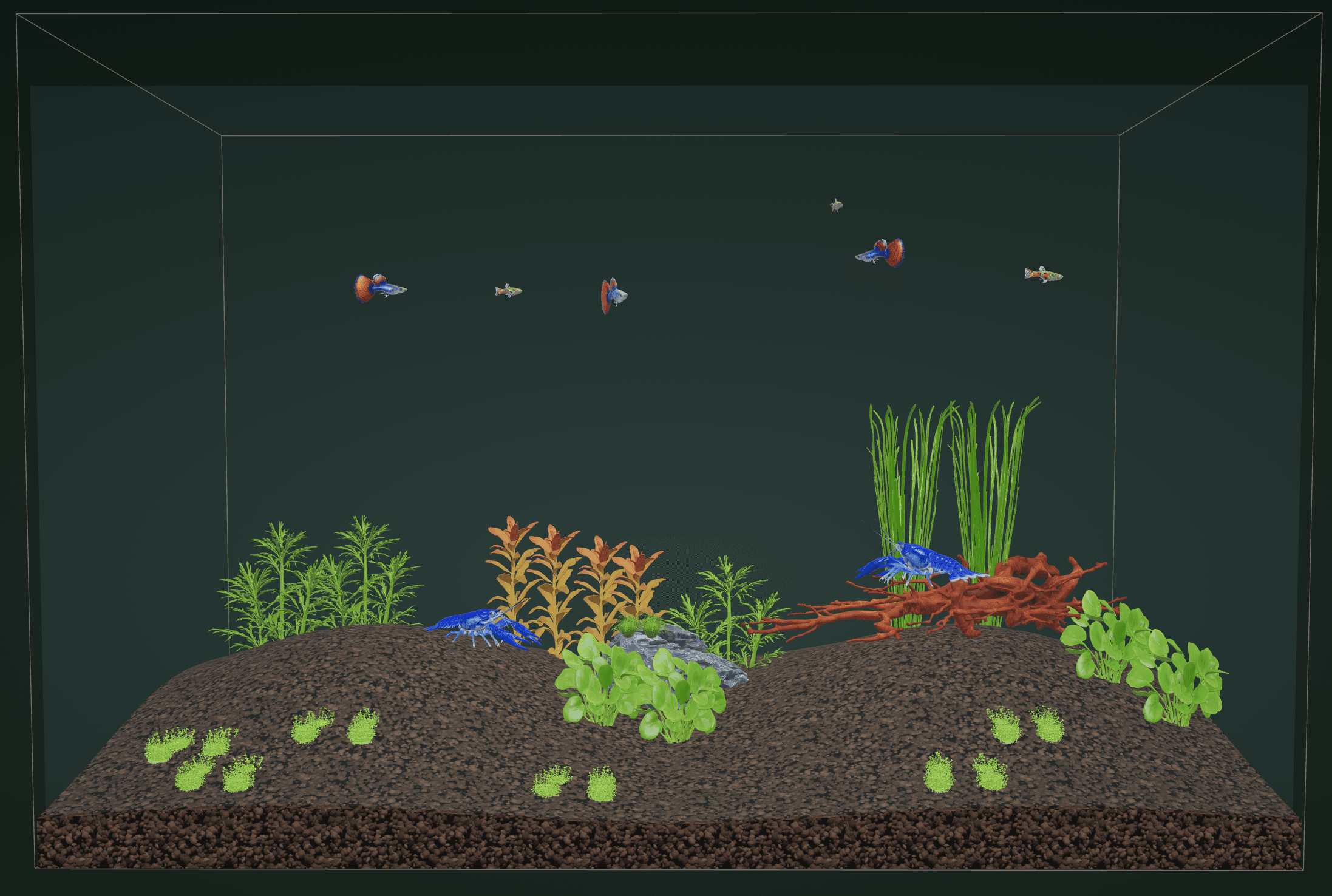
How to plan an aquarium layout before buying rocks and plants
Choose a layout that fits your tank, position the main rock or wood, and plan planting space before buying materials or gluing hardscape.