Amazon sword plant care: give the roots and leaves room
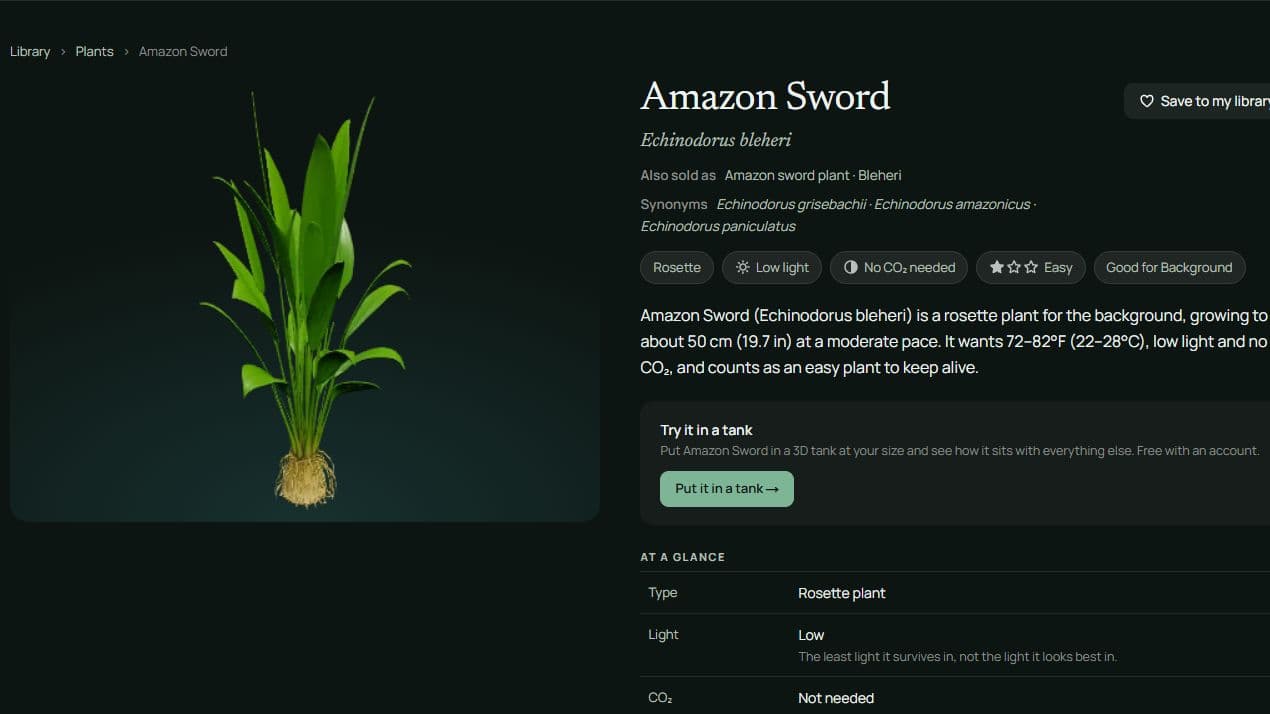
The current Amazon sword entry in Scapesome. The image is a library illustration, not a photograph of a retail pot or proof of growth in your tank.
An Amazon sword can look like a modest bunch in a shop pot. The broad-leaved plant commonly sold under names such as Echinodorus bleheri or Echinodorus grisebachii 'Bleherae' can become a substantial specimen. Choose its place for the grown plant, not the pot.
The basic care is straightforward: a suitable rooted position, access to nutrients, appropriate light and room for the leaves. The awkward part is discovering that an otherwise healthy plant has become too large for its neighbors.
Decide whether the adult plant fits
Tropica describes 'Bleherae' as a plant that can reach about 20–50 cm tall. Treat that as a species reference, not a promise of a particular height in a particular month. The name Amazon sword also appears on other plants, so confirm the identity before transferring that range to a different sword.
Compare the available height above your substrate with the plant's potential size. Check sideways room as well. A rosette sends leaves out from one crown; a position with enough vertical space may still leave its neighbors underneath a broad canopy.
Imagine the same location when the leaves extend toward the front glass. Can you still reach the glass with a cleaner? Can you remove an old leaf at its base? Will the plant hide the small group you wanted to see behind the wood?
Putting it in the back does not resolve every conflict. A single specimen with clear space around it may work better than several squeezed along the rear pane. A smaller named sword or another rooted plant may be a better purchase if you cannot leave that room.
Plant the roots, keep the crown clear
Remove the pot and growing material carefully, separating it from the roots without tearing the whole plant apart. Place the roots into the substrate while leaving the crown, where the leaves emerge, at the surface. The plant should be supported without burying its growing center.
Have a suitable planting bed ready before starting. A tall loose heap that collapses when you let go of the plant is not a secure position. Check that nearby stones are stable independently, rather than relying on the sword's roots to hold them.
In a new setup, keeping the water low during planting can make it easier to see the crown and anchor the roots. Keep the leaves damp while working, then refill gently so the incoming water does not excavate the spot.
Feed for the substrate you actually have
A nutrient-bearing bottom supports an Amazon sword's growth. In plain inert sand or gravel, plan an appropriate root-zone nutrient source rather than assuming fish waste will supply everything. Follow the chosen aquarium fertilizer's directions, including its amount and placement.
Avoid a fixed recipe such as “several root tabs per plant” without naming the product. Tabs differ, and the bed may already contain nutrients. Repeatedly adding more because one old leaf looks tired can leave you treating the wrong problem.
The plant also grows in the water column around it, so review your broader nutrient routine rather than thinking of root feeding as an isolated purchase. Our aquasoil versus sand guide helps separate the material choice from the feeding plan.
Watch the new center growth after planting
Commercial swords may have leaves grown above water, and those can fade as the plant adapts to submerged conditions. The change in leaf shape can be normal. Look at the crown and new growth rather than judging the whole plant from one older leaf.
Remove decaying material carefully and check water quality, especially in a recently established aquarium. Persistent decline, a buried or deteriorating crown, and a plant repeatedly uprooted by livestock need investigation. Do not assume every decline is harmless transition, or keep pulling up a firm plant simply to inspect its roots.
Remove whole old leaves rather than giving it a haircut
For a rosette, remove an unwanted outer leaf near its base instead of cutting every blade halfway across. Work where you can see the crown, take care around new growth and collect the cut material.
Review the shade the remaining leaves cast. A healthy sword can deprive a smaller plant below it of light. If you continually remove healthy leaves just to keep every neighboring group visible, the placement may need reconsidering.
Open the Amazon sword entry to compare its form with your available space, then check your plan against the real plant supplied. The best time to reserve room for this specimen is before its roots have settled under the rest of the scape.
Related reading
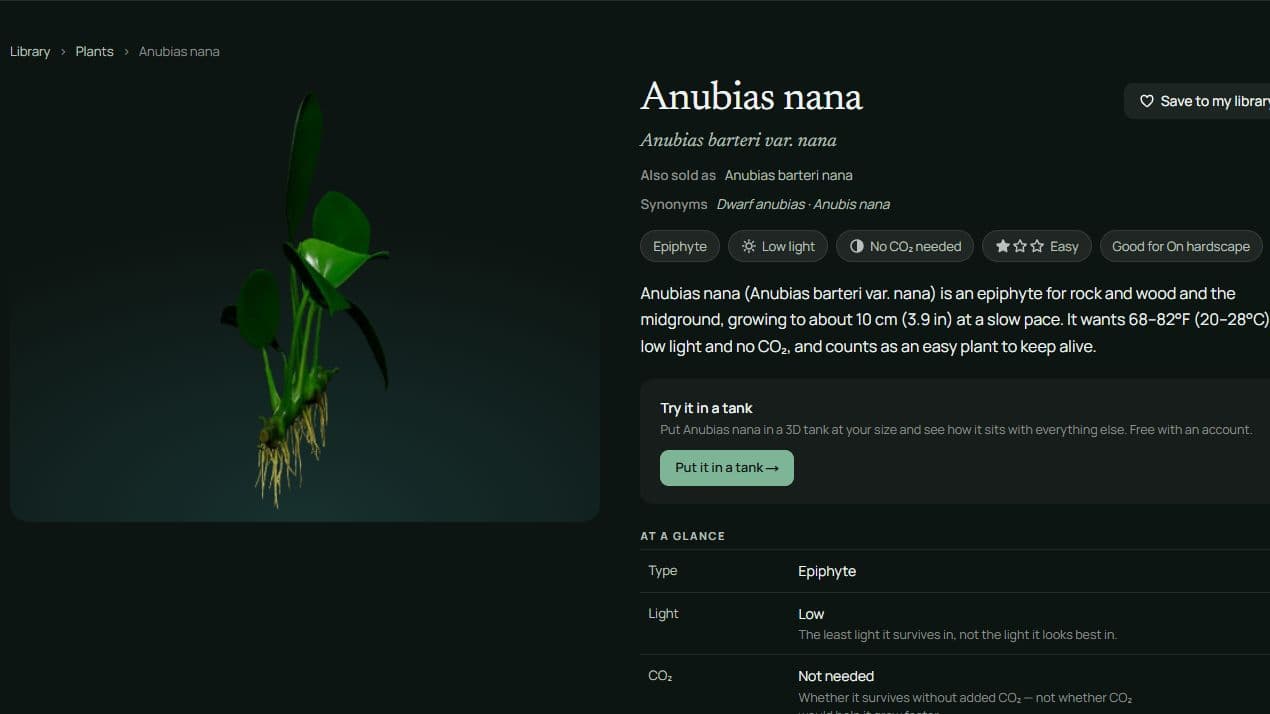
How long should aquarium lights stay on for plants?
Set a useful starting photoperiod and learn what to inspect before adding hours to your aquarium light.
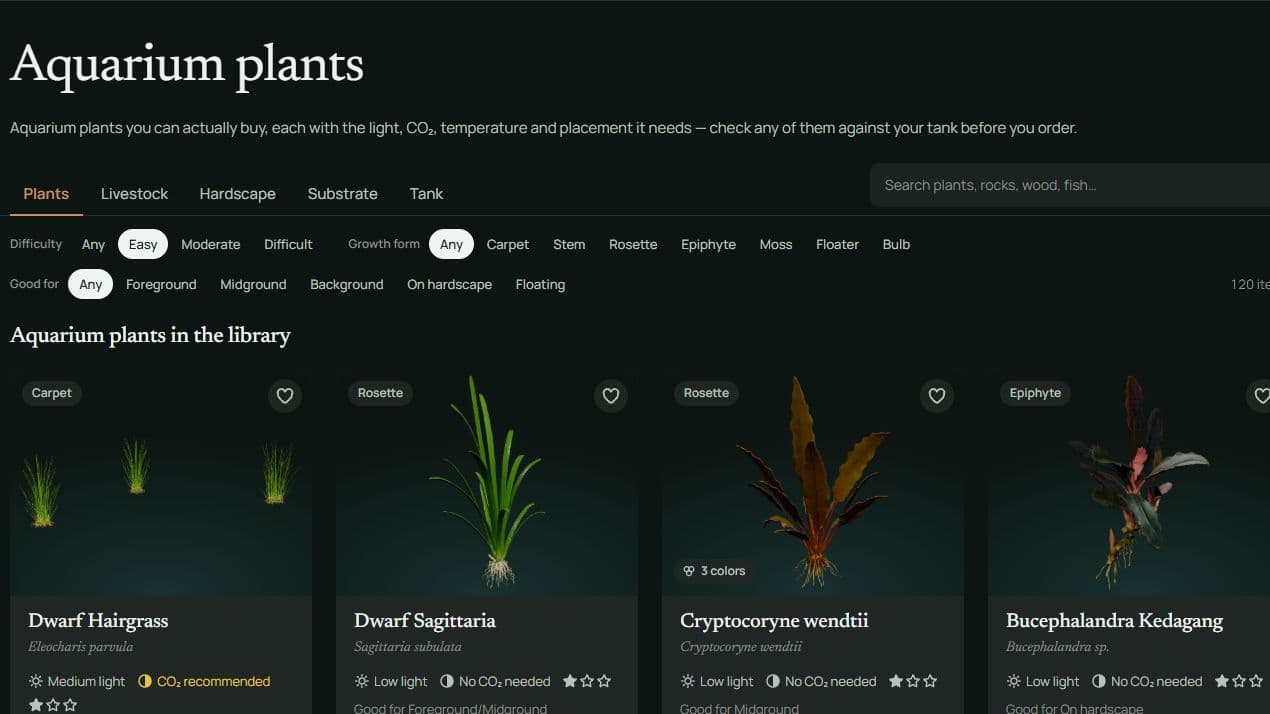
Best aquarium plants for beginners: pick by your setup
A short, practical plant shortlist for the positions and conditions in your first planted aquarium.
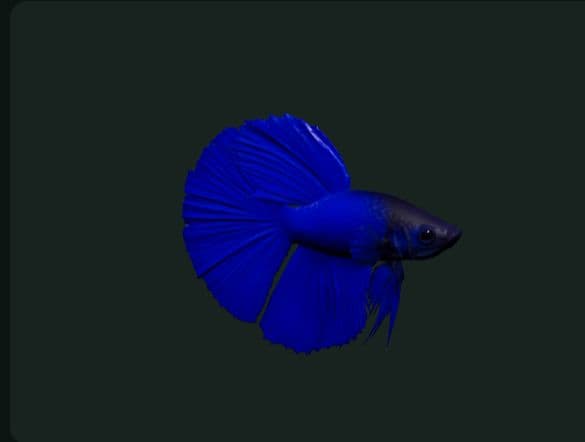
Best plants for betta fish: choose cover that fits
Choose plants by the jobs they do for a betta: resting places, cover and a clear route to the surface.