Best aquarium plants for beginners: pick by your setup
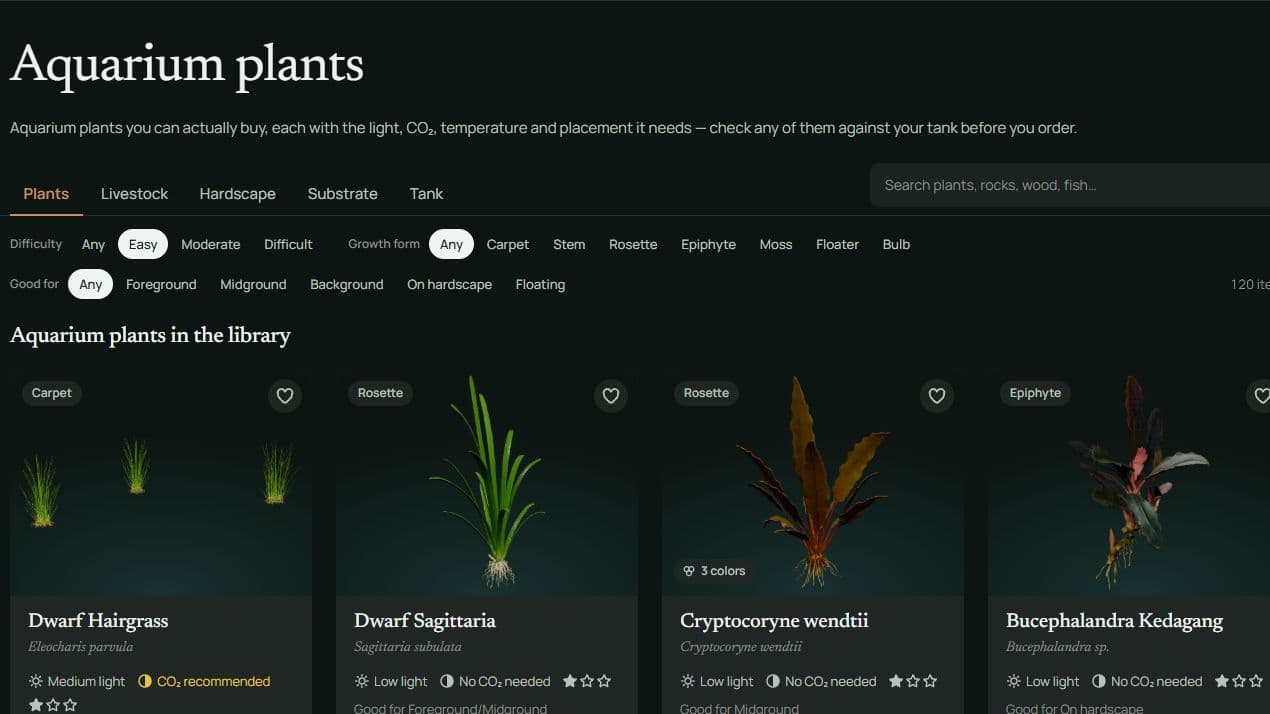
The Easy filter in Scapesome’s current plant library. Cards show differing light and CO₂ guidance; the filter alone does not make every result suitable for every first tank.
The frustrating part of a beginner plant list is that nearly everything on it sounds easy. Then you get home with a fern that should not be buried, a sword that will outgrow the corner, and a stem bunch that needs more trimming than you expected.
For a first planted aquarium, a good plant is one you can place correctly and keep under the conditions you already intend to maintain. You do not need to start with a carpet or collect one of every growth form.
If you want plants on rocks or wood
Anubias nana and Java fern are sensible places to start. Both tolerate relatively low light, and added CO₂ is not essential for keeping them. Their usefulness is the position: you can add leaves to hardscape without turning the entire floor into a planting bed.
Keep the rhizome exposed. That is the thick horizontal part linking the leaves and roots, not just a long root. Tie or otherwise secure the plant to an appropriate surface. The Java fern planting guide walks through that job.
Expect a restrained pace. A slow-growing plant can suit someone who dislikes frequent trimming, but it will not quickly fill every empty patch. Buy it because you like the shape it adds now and the space it can occupy later.
If you want a rooted group
Cryptocoryne wendtii is a useful candidate for a clump in the foreground or middle, depending on the variety and the tank. Check the exact form on the label; a generic crypt photograph cannot tell you its eventual height or spread.
Plant its roots into a suitable bed with the crown, where new leaves emerge, at the surface. Provide nutrients appropriate to that substrate. A bag of inert sand and a nutrient-bearing soil do not provide the same starting conditions.
This is a good place to decide what you actually want from the floor. One rooted group beside wood is a different project from a continuous lawn. If the floor will be sand, use the guide to aquarium plants in sand before assuming every plant needs a different substrate.
If you want an upright background
Bacopa caroliniana offers a stem plant with a different shape from the broad leaves above. It can grow without CO₂ injection, although good light and nutrition improve its performance. Allow for its eventual height and plan to trim and replant healthy cuttings when necessary.
Choose stems if you are happy to shape a group over time. Choose a slower attached plant if that sounds like a chore. “Beginner” describes the difficulty of growing it; it does not decide whether you will enjoy maintaining it.
Check the plant's legal availability where you live before ordering. A species sold in one region may be restricted in another. Dispose of unwanted plants responsibly rather than releasing them outdoors.
Make the first shopping list smaller
Consider this example as a way to choose, rather than a tank recipe: a piece of wood needs leaves, a bare side needs one rooted group, and the back needs some height. That gives you three jobs. You can compare one candidate for each before worrying about package counts.
Ask these questions at the shop or on the product page:
What is the full plant name, including the variety?
Does it attach to a surface, root in the bed, or float?
How large can it become in this position?
Does its care guidance fit my light, CO₂ arrangement and water temperature?
How much usable plant material comes in the package?
The plant library helps with the first four. The seller needs to answer the last one. “One pot” is not a standard unit of coverage.
Give the plants a fair start
Prepare the supplied material according to its type, keep it damp while working, and avoid moving it repeatedly just because the layout has not filled in yet. Use a consistent lighting schedule and suitable nutrients. Easy plants are still living plants.
When something changes, look at the whole situation before buying a remedy. An old leaf fading after a move, a plant buried incorrectly and a group shaded by its neighbor need different responses. Keep a dated photo so you can compare the same spot later.
A first tank does not need a long species list to be interesting. A few plants with distinct shapes, room to grow and care you can sustain give you something much more useful: a setup you can understand as it develops.
Related reading
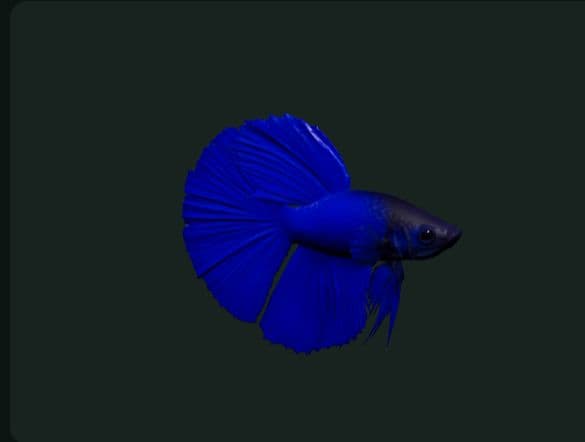
Best plants for betta fish: choose cover that fits
Choose plants by the jobs they do for a betta: resting places, cover and a clear route to the surface.

Red aquarium plants without CO2: what is realistic?
Set realistic expectations for a red or bronze accent without assuming your leaves will match a promotional photograph.
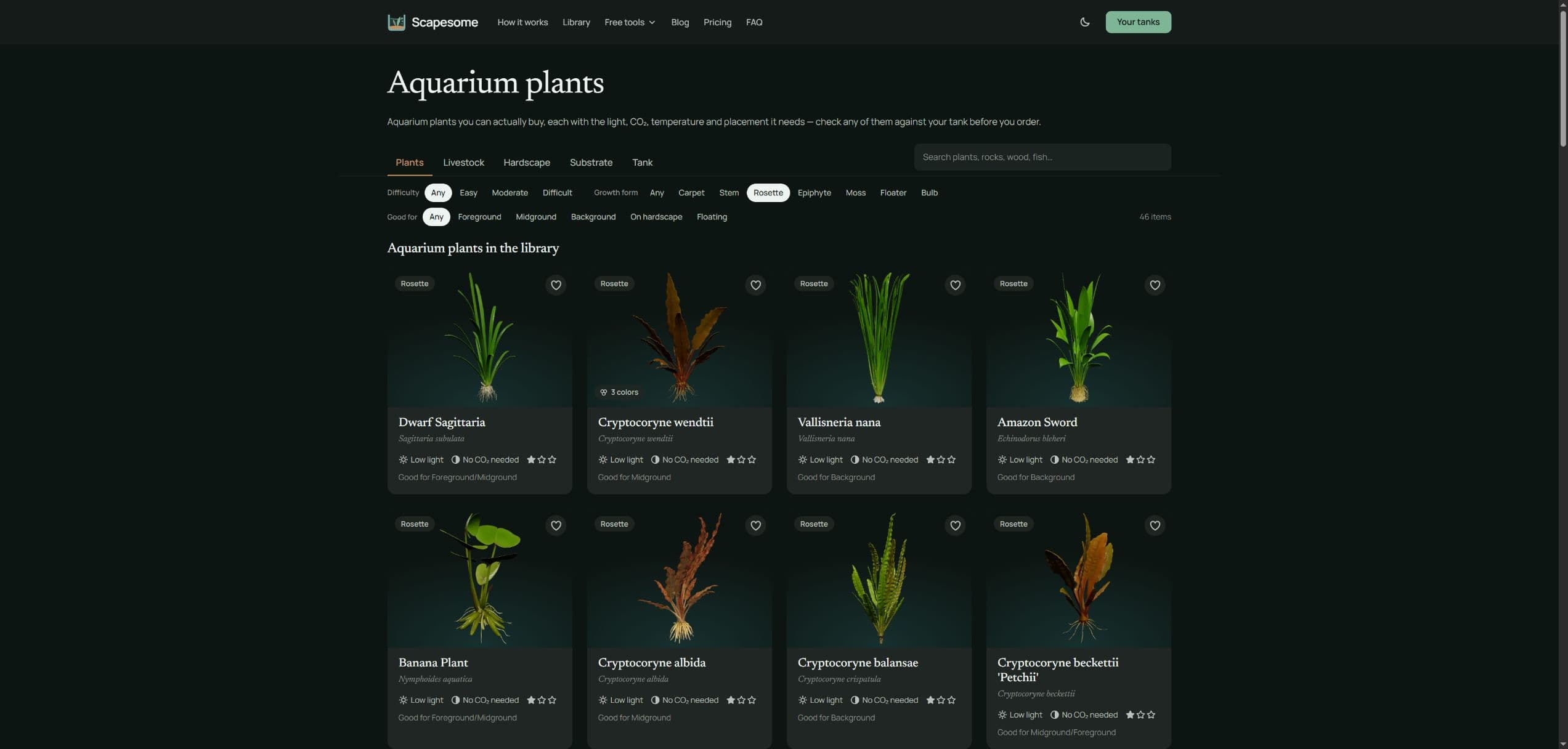
How many aquarium plants should you buy?
Count planting jobs first, then convert them into pots, cups or bunches using the material the seller actually supplies.