Crypt Melt: What to Remove, Check and Leave Settled
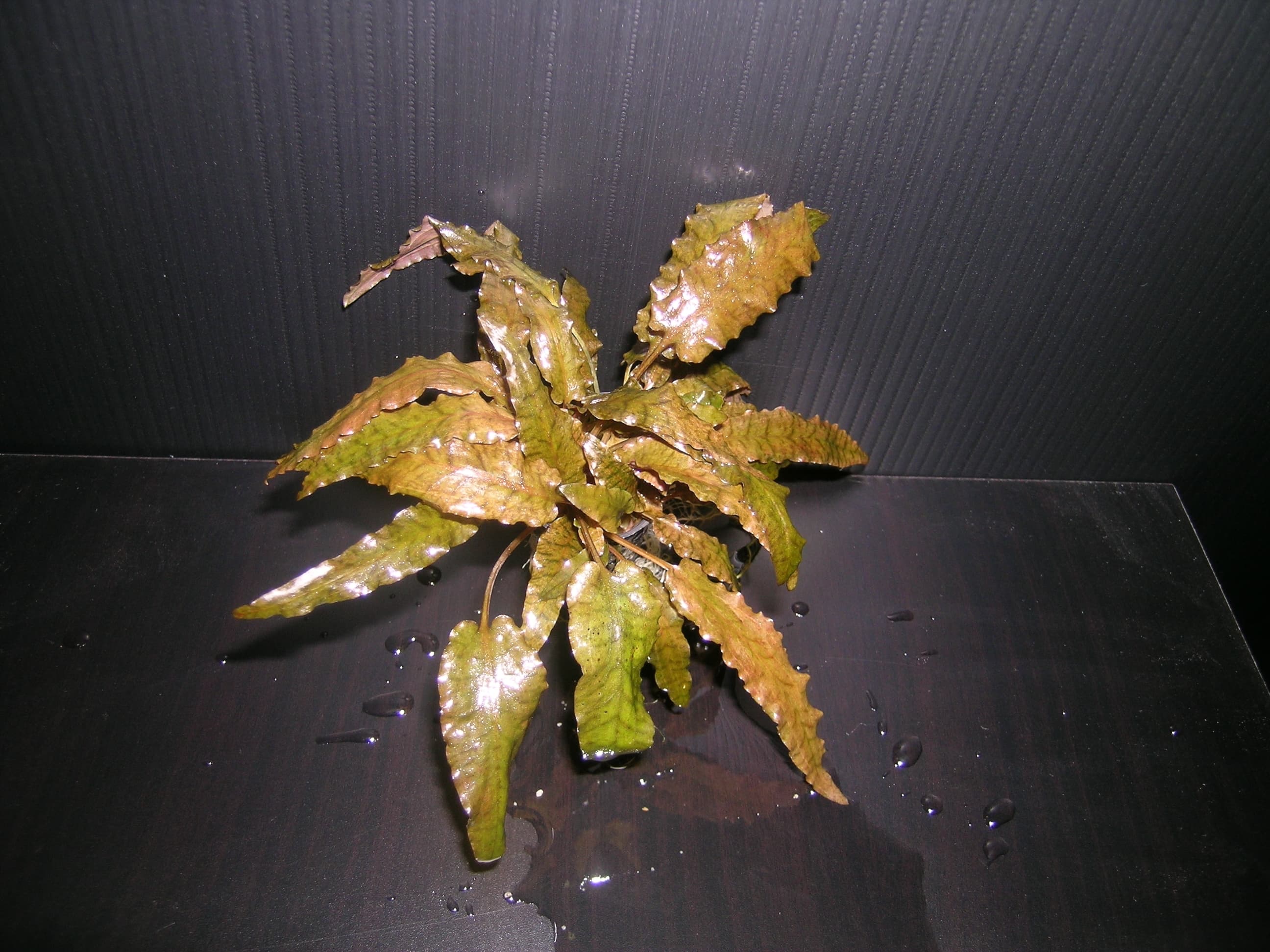
If a newly planted crypt starts losing its leaves, remove the leaves that are clearly breaking down, check its planting position and leave the remaining plant settled while you look for new growth. Crypt melt can follow a change in conditions, and leaf loss alone does not tell you whether the plant will recover. The useful next step is to record which leaves are changing and what happened before the change, then act on anything that needs attention now.
Find out which plant and which leaves are changing
Check the plant name on the label or order first. Cryptocoryne is often shortened to crypt. The plant library gives you a place to look up a name from that label. The same description of pale or dissolving leaves can be applied to very different plants, so keep the actual name beside your observations. If you have lost the label, take a clear whole-plant photograph and ask the seller to confirm what was supplied.
Newly bought aquarium plants may have been grown with their leaves above water. Once submerged, a crypt can lose those leaves while producing foliage suited to its new surroundings. This is one reason a plant that looked good at purchase can deteriorate after planting. It also explains why a photograph of the original leaves tells you little about the condition of the next leaves.
Look at one clump from the front and identify the oldest damaged leaves, any remaining firm leaves and the center where new leaves emerge. You can do this without lifting the plant. Take a photograph with an adjacent rock or another fixed object in the frame so you can find the same clump later. In a bed of several crypts, call it “front left beside the small stone” rather than simply “the crypt.”
Clear decay and check the planting position
A leaf that is collapsing into soft pieces is worth removing carefully. Cut the affected leaf near its base and collect it, keeping the surrounding plant settled. Healthy-looking leaves can stay while you observe the plant. There is no need to cut every leaf because one has started to deteriorate.
Look at the crown, where the leaves meet at the top of the roots. Crypt roots go into the substrate while the crown stays above it. If loose substrate has covered that point, clear the surface gently so you can see the planting position. When a plant has come loose or was planted incorrectly, correct that specific problem with as little disturbance as possible.
Avoid pulling up an otherwise settled clump every few days to see whether its roots look better. A photograph lets you inspect the leaves repeatedly while leaving the root area alone. If deterioration reaches the visible base, the plant becomes loose or the tissue there breaks down, take a close photograph and seek advice for that plant and its conditions. Waiting is useful when it includes observations and a clear reason to continue.
Use the timing to choose your next check
For a newly planted crypt, record the planting date, how it was supplied and when the first damaged leaf appeared. Potted, tissue-culture and already submerged material can arrive with different starting foliage. The tissue-culture and potted plant comparison explains those buying formats. For the current plant, focus on what is growing from the center now.
An established crypt deserves a look back through recent changes. A move, altered light, changed fertilizing or CO₂, and a shift in water conditions can all be relevant. Write down what actually changed and when. If you replaced a lamp and moved the plant during the same weekend, record both. Choosing the cause from memory becomes harder after several more adjustments.
Also check what is happening elsewhere. If fish or shrimp are struggling, or several unrelated plants suddenly deteriorate together, assess water quality and equipment promptly. Record actual test results with their units and time, along with temperature and whether the filter is operating normally. Those observations take priority over waiting for a particular plant to recover. “Parameters are fine” gives someone helping you much less to work with than the readings.
Keep a small record you can compare
Use one row each time you examine the same clump. A note on paper, a spreadsheet or a tank log can all hold the information. Photograph from the same position before pruning, then note what you removed. That prevents the next photograph from making a trimmed plant look as though it lost all those leaves by itself.
Record | What to put in it |
|---|---|
Plant and position | Exact supplied name and a location you can find again |
Timing | Planting or moving date, first observed change and this observation's date |
Old and new growth | Which old leaves are deteriorating and whether a new leaf is visible |
Recent changes | Actual light, water, CO₂, fertilizer or placement changes with dates |
Action taken | Leaves removed, planting corrected, equipment checked or another specific action |
Next comparison | The same clump and viewing position, with the previous photo available |
For example, “two outer leaves removed, small central leaf still visible, no move” is a useful observation. “Still looks bad” is harder to compare. This example shows the level of detail to record. Your own count and wording should describe the actual plant in front of you.
Judge the next growth before making another change
Recovery can take weeks, and a surviving crypt may produce leaves that look smaller or different from those it arrived with. Look for the direction of change across your photographs. A new central leaf progressing while old foliage is removed gives you more reason to keep the position steady. Continued deterioration without new growth is a reason to revisit identification, planting, light and nutrition with your record in hand.
Keep ordinary tank care consistent while you observe. If you decide that a change is needed, note the reason and what you changed. Several simultaneous adjustments make the next result much harder to interpret. Root nutrition also depends on the existing substrate and products already used, so check those before adding another treatment.
Before replacing the clump, compare today's photograph with the first one and read the action notes between them. Take those details to the seller or an experienced grower if the outcome remains unclear. You will have a specific question about the same plant, its new growth and its conditions, which gives the next decision a firmer starting point.
Further reading from Aquarium Co-Op and Florida Aquatic Nurseries.
Cover photograph of a Cryptocoryne wendtii specimen out of water by S. Tanaka, public domain.

Related reading
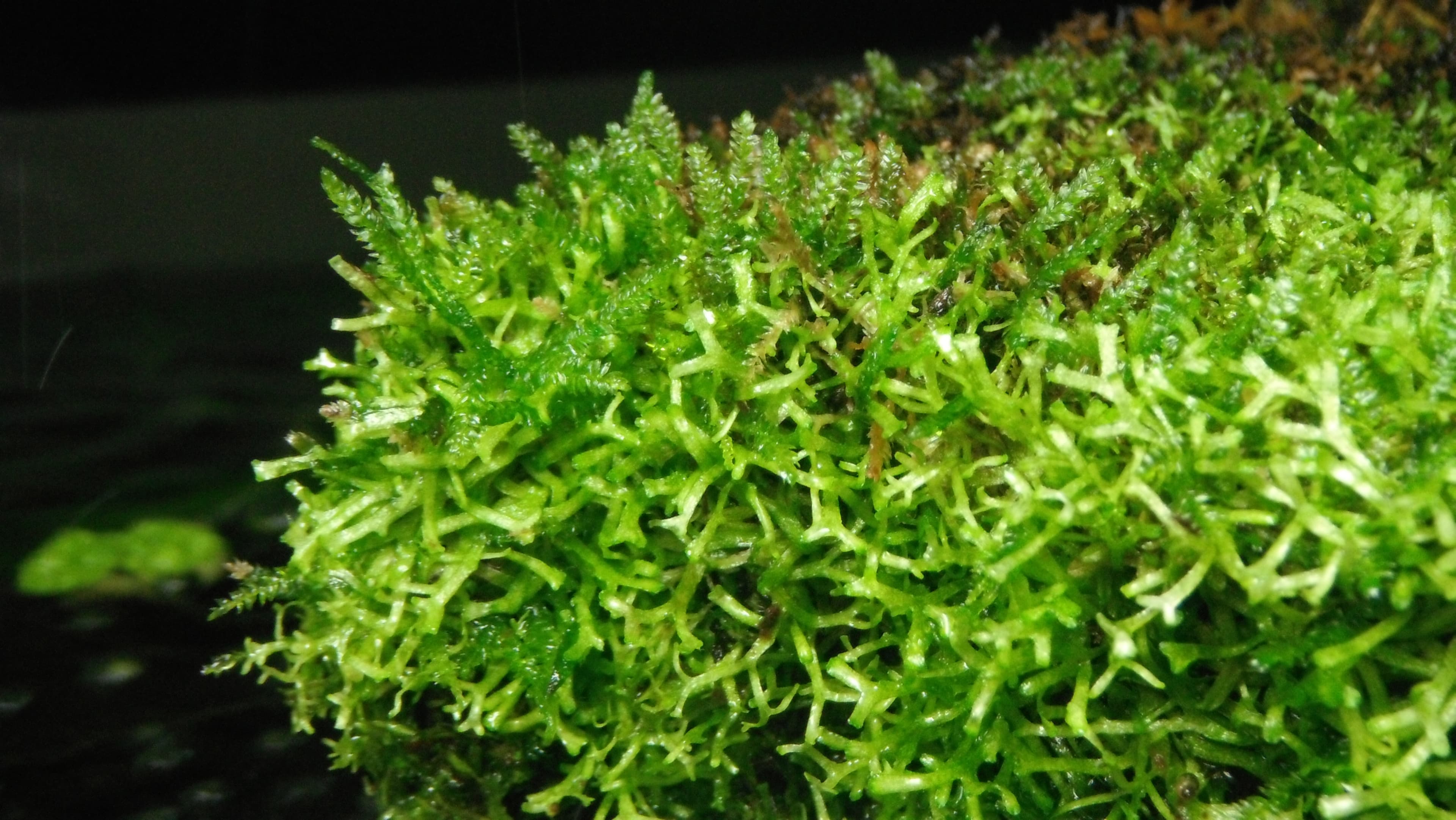
Java Moss vs Christmas Moss: Which Fits Your Tank?
Choose by light, the shape you want to maintain and the patch you can reach. Check the supplied plant before attaching it.
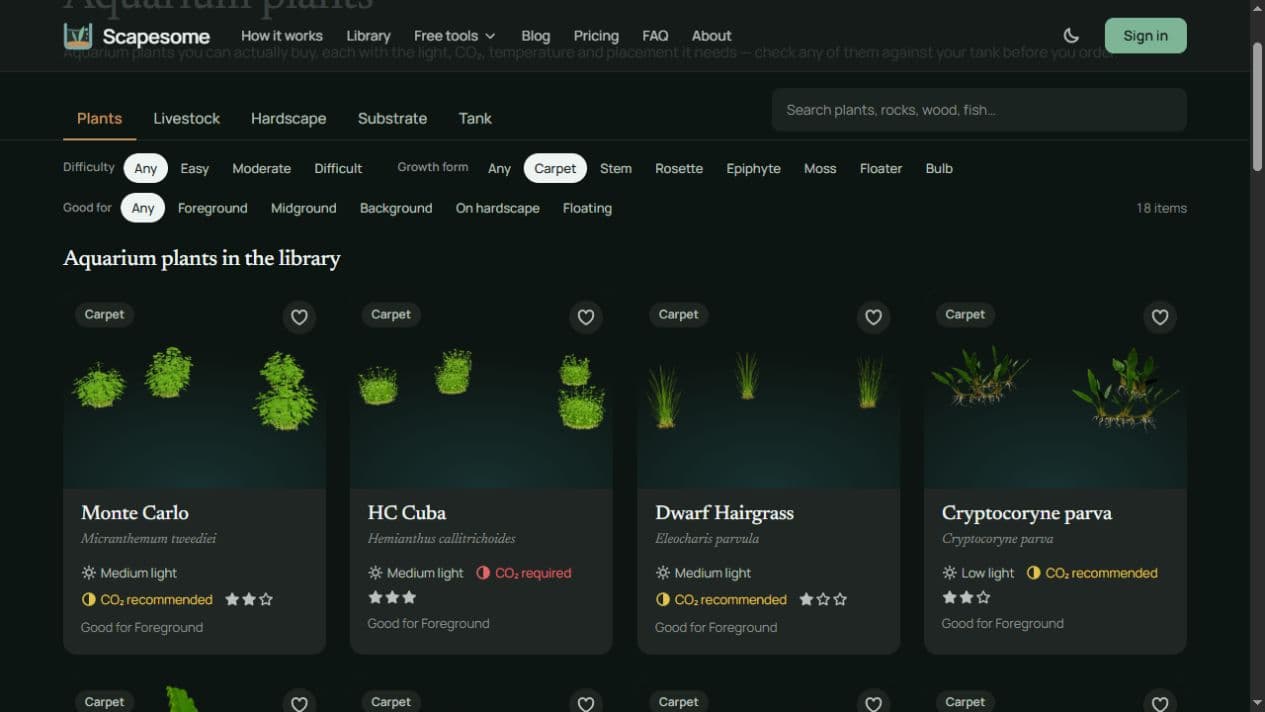
Carpet plants without CO2: which ones suit your tank?
Choose a foreground for a tank without CO2 injection: compare leaf shape, light, height and waiting time before you buy plants.
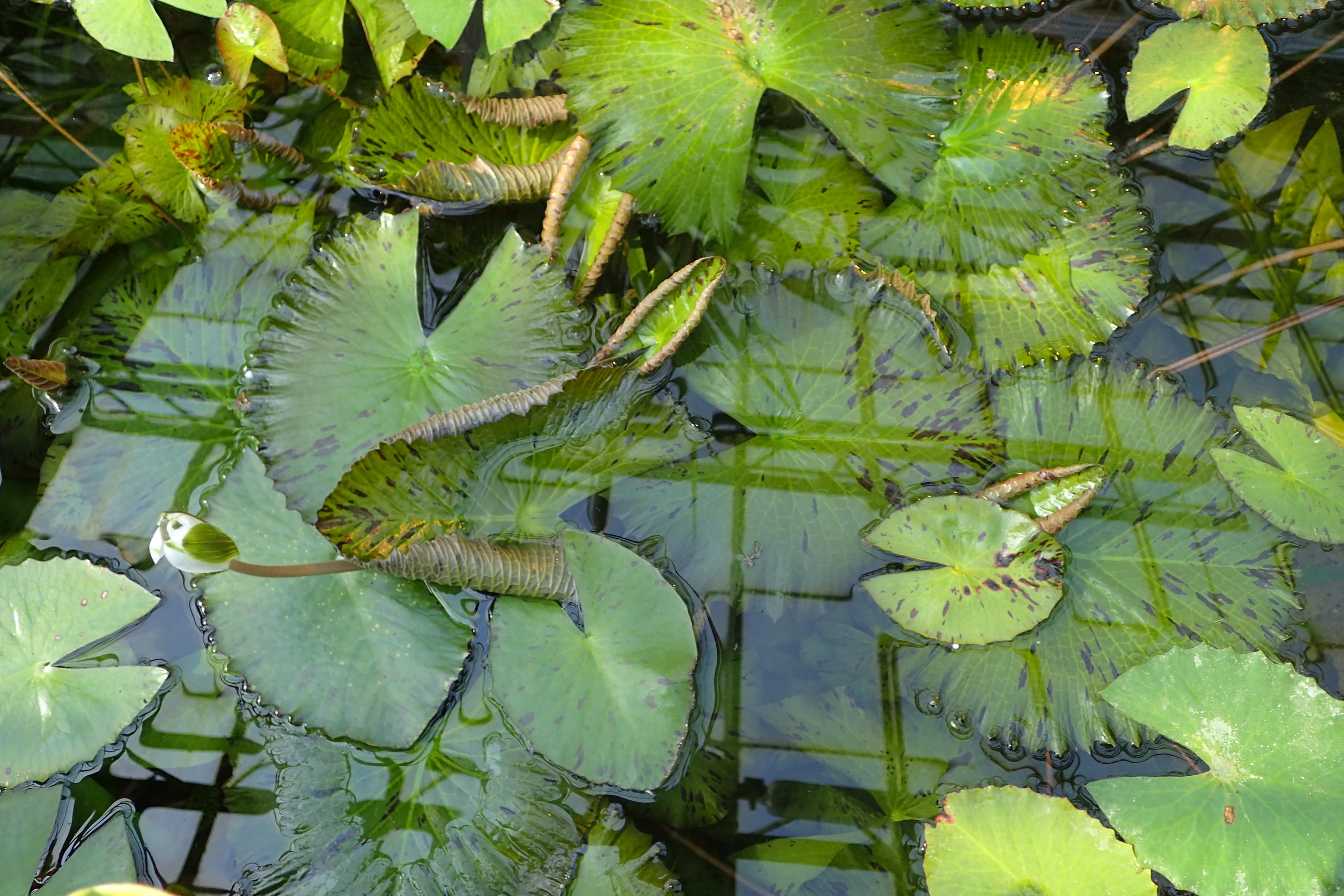
Tiger lotus care: plant the bulb and manage floating leaves
Plant a tiger lotus shallowly and decide how much of the surface you want its leaves to occupy.