Java Moss vs Christmas Moss: Which Fits Your Tank?
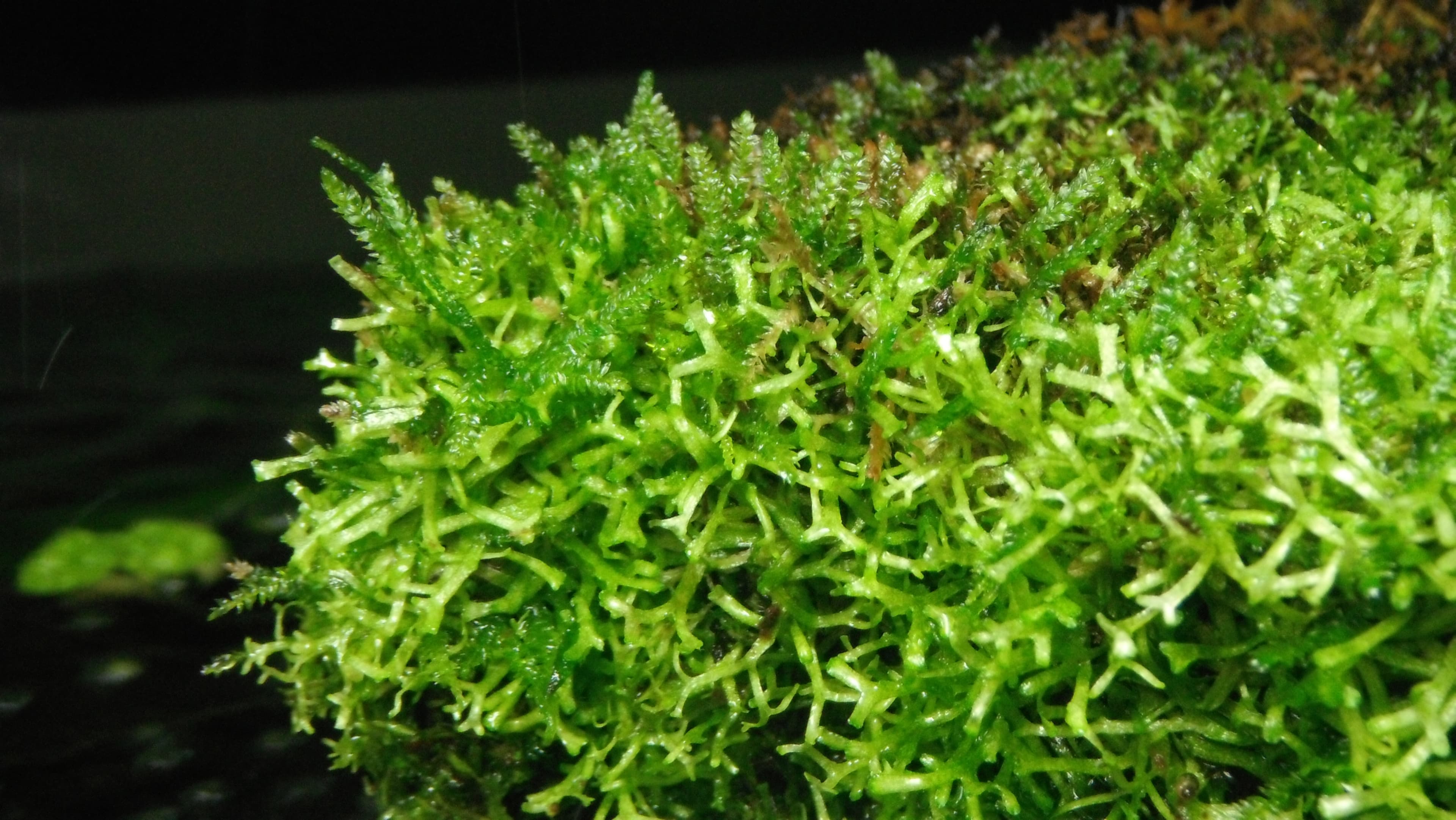
Choose Java moss if you want a forgiving first moss and can accept a loose outline. Choose Christmas moss if its branching shape is the reason you are buying it and you can provide the light and access needed to keep that shape visible. Both choices still leave you with a maintenance job. Before paying for either, ask what plant is actually in the container and where you will be able to reach it.
Start with the shape you want to keep
Java moss is commonly sold as Taxiphyllum barbieri, including the name ‘Bogor Moss’. Its loose shoots suit an informal patch around wood or a small removable stone. Christmas moss is sold as Vesicularia montagnei and is known for side branches that resemble small fir branches. That distinction can matter when you want a visible branch outline or a layered patch.
The name on a packet and the shape in a seller's display tank tell you different things. One identifies the supplied plant. The other shows what someone grew under particular conditions and maintained for a photograph. A compressed handful in a bag can be hard to compare with either picture. Ask for a clear photograph of the actual stock underwater, with a few shoots spread out, before judging whether a delivery was mislabeled.
At the shop, keep the two names on separate lines in your list. If the seller uses another name, ask which plant it refers to. You can use the plant library to look up the names while making your shortlist, then confirm the identity of the seller's actual portion. If you are buying both, keep the portions and labels separate until you have attached them. Mixing two green handfuls on the worktop turns a purchasing question into an identification problem.
Compare the conditions behind the photograph
Tropica rates Java moss as low in light demand and Christmas moss as medium, with low CO₂ demand for both. Its Christmas moss description also calls the plant more demanding and slower growing than ordinary Java moss. Use that difference when choosing for an existing aquarium. A modestly lit first tank gives you a stronger reason to start with Java moss. A planned decorative feature gives you a reason to consider Christmas moss and check the light reaching that particular branch.
Those broad ratings leave room for differences between tanks. A lamp's name or its power setting cannot tell you how much light reaches a moss patch behind another plant. Look from above for overhanging leaves, then look from the usual viewing position for the part of the moss you want to preserve. A bright lid and a shaded attachment point can exist in the same aquarium.
When a shop photograph makes you want a dense tree canopy, ask how that canopy was lit and trimmed. You may decide that a smaller patch suits your tank better. You can also decide to grow the plant you prefer and accept a looser result. Make that choice before buying a large portion for a shape you expect to appear on its own.
Choose a position you can maintain
Imagine a branch extending across the middle of a small tank. Covering every surface with moss would put some growth behind the branch and some against the glass. Start by choosing the surfaces you can see and reach with scissors. Leave the hidden underside unassigned until you know how you will clean around it. This paper check works with either moss and takes less effort than removing a grown-in branch later.
An accessible stone makes a different maintenance arrangement. You can inspect its edges and, if the setup allows it, lift it out for work. Check that the stone can move without disturbing the rest of the hardscape and that small animals have cleared it before handling. A stone wedged under the main wood becomes a permanent fixture for practical purposes, even if it looked removable when the tank was empty.
What you want from the patch | A practical starting choice | What to check before buying |
|---|---|---|
An uncomplicated first moss in a modestly lit tank | Java moss | Enough light at the actual attachment point and access around the growing patch |
A clearly branched decorative feature | Christmas moss | Supplied identity, suitable light and room to maintain the visible outline |
A small patch you can remove for maintenance | Either, on an accessible support | A safe route out of the tank and a place to collect loose pieces |
A precise miniature tree with little willingness to trim | Reconsider the amount of moss and the shape | Which parts you can realistically keep visible as the patch grows |
Both mosses can attach to suitable wood and stone. Secure a thin layer and leave room to inspect the attachment. Our moss attachment guide covers the fastening step. Keep this choice about the plant and the maintenance arrangement, then use that guide when the material is in front of you.
Decide what will trigger the first trim
Choose one visible edge as your reference, such as the branch tip, the opening beneath it or the strip beside the front glass. Take a photograph after attachment. During maintenance, compare that edge and look for growth covering the opening or trapping debris. This gives you a reason to trim that relates to your tank. A calendar interval from someone else's aquarium cannot describe how much has grown on your branch.
Before cutting, arrange a way to collect the pieces and check for animals sheltering in the patch. Work on a small accessible section first. If the cut material drifts into a carpet or behind the wood, improve collection or access before carrying on. A tidy front view is easier to maintain when the surrounding layout gives you somewhere to work.
For a first purchase, one clearly labeled portion and one manageable attachment area are enough to learn from. Write down the name, choose the outline you want to keep and photograph the starting position. The beginner plant selection guide can help you decide what other growth forms belong around it.
Plant descriptions checked against Tropica's Java moss and Christmas moss product information.
Cover photograph of Christmas moss and Riccia growing out of water on a driftwood stump by Storm, CC BY-SA 2.0.

Related reading
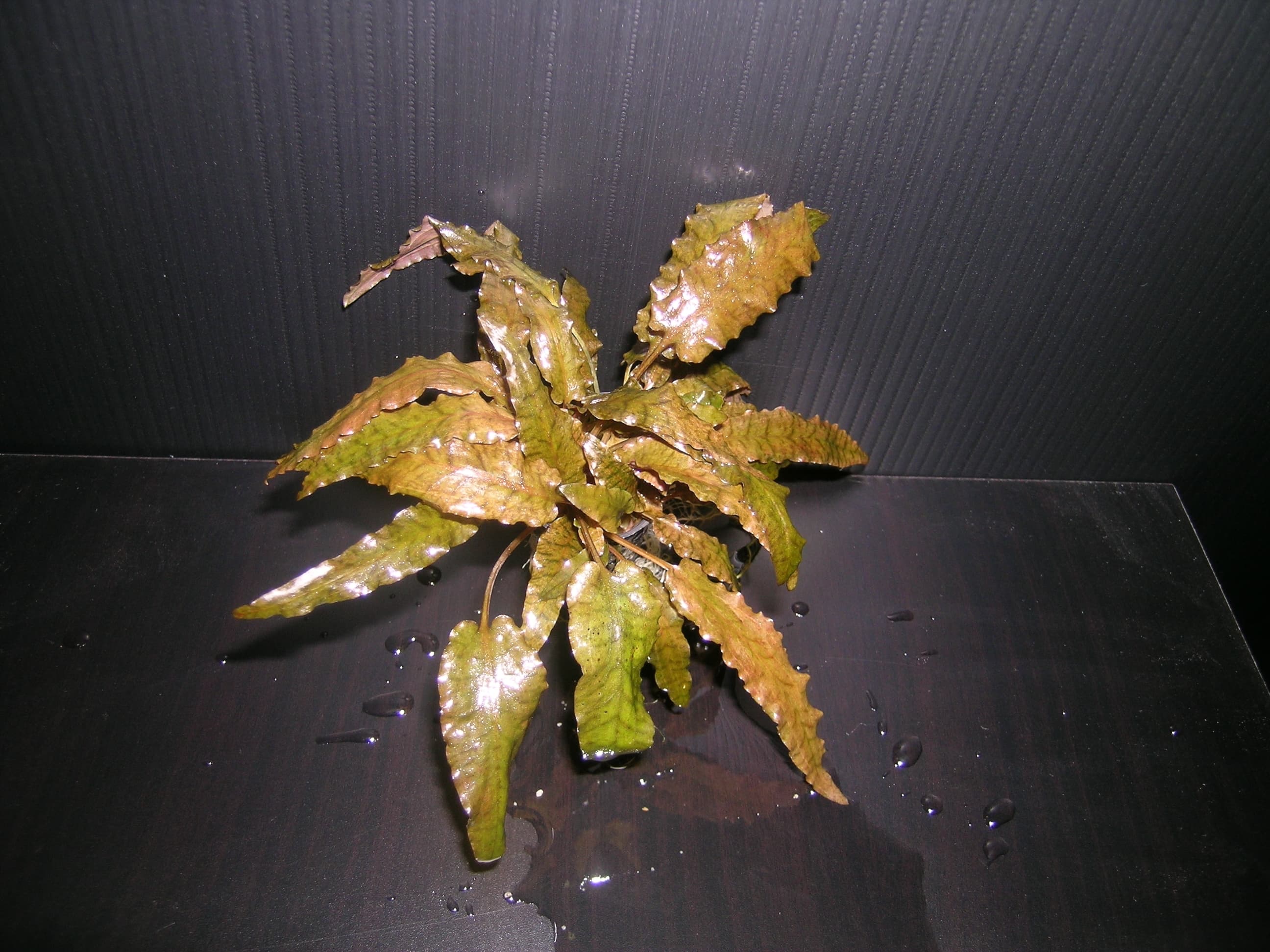
Crypt Melt: What to Remove, Check and Leave Settled
Check a melting crypt without repeatedly uprooting it. Use planting history, old and new leaves, and a simple photo record to guide the next step.
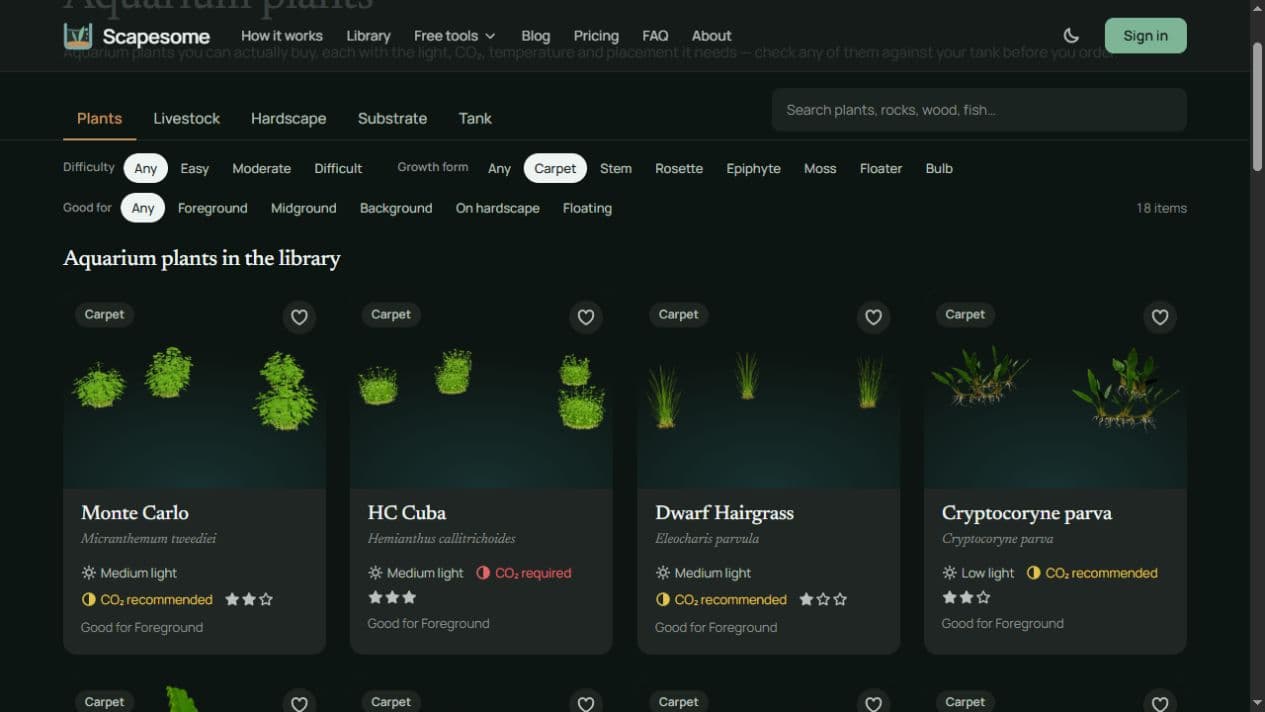
Carpet plants without CO2: which ones suit your tank?
Choose a foreground for a tank without CO2 injection: compare leaf shape, light, height and waiting time before you buy plants.
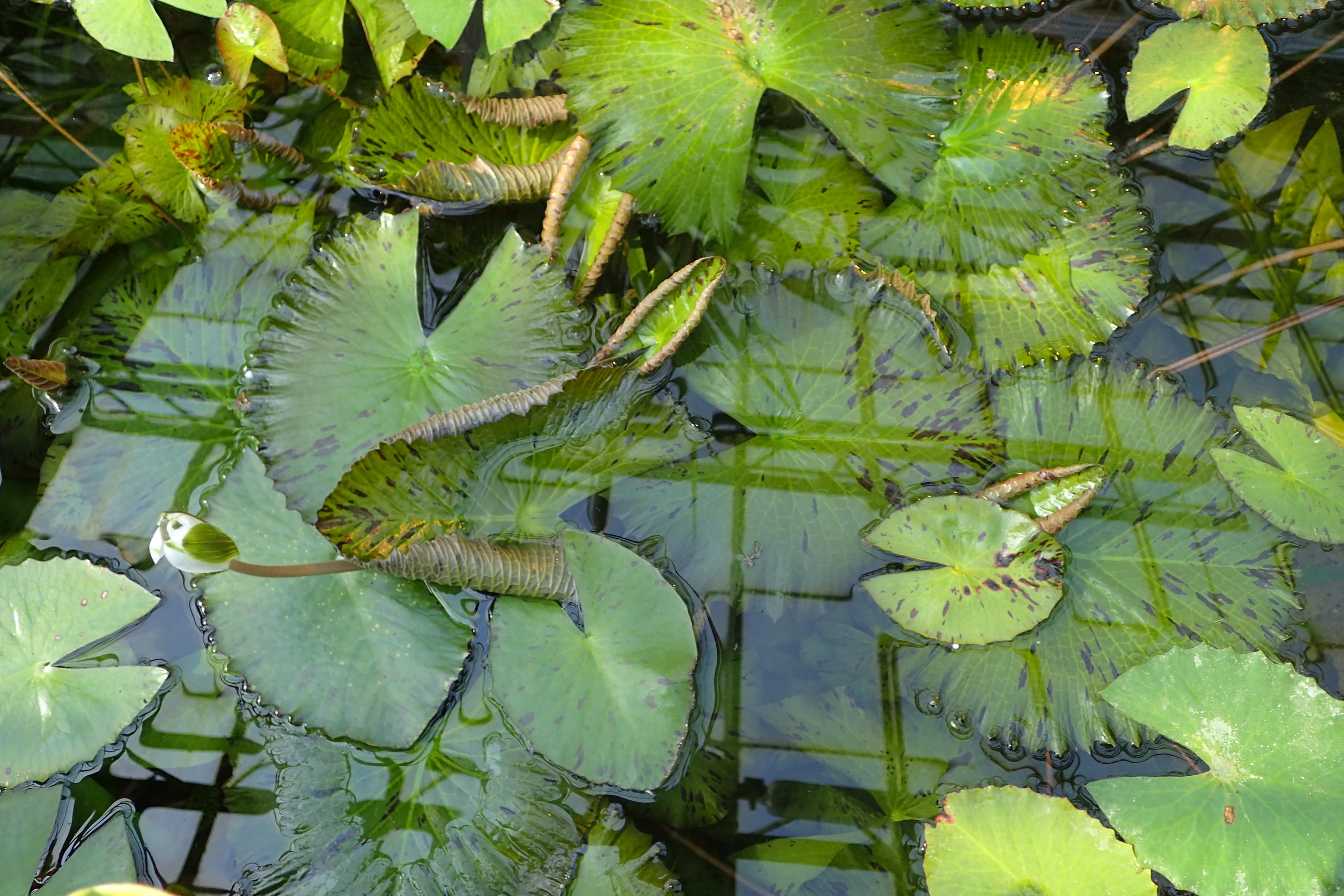
Tiger lotus care: plant the bulb and manage floating leaves
Plant a tiger lotus shallowly and decide how much of the surface you want its leaves to occupy.